|
|
|

|
|
|
Straight-Talking, Sensible Advice for Occupational Health & Safety Professionals
|
|
|
|
|
|
|
Hidden Hazards - The Risks You Can't See Coming
|
|
|
Not every workplace danger comes with a warning label. That's the idea behind the British Safety Council's new Hidden Hazards campaign, launched in late July, spotlighting risks you can't see, hear or smell - silica dust, poor air quality, noise, fatigue, and work-related stress.
|
|
Diseases linked to silica and asbestos alone cause around 9,000 UK worker deaths a year, and 964,000 workers suffered work-related stress, depression or anxiety in 2024/25. The campaign will spotlight a new issue every six months, starting with silicosis this autumn. See what's being done to bring these risks into the open.
|
|
|
|
|
|
|
|
Silica Dust: It's Not Just Engineered Stone That's Dangerous
|
|
|
Recent HSE enforcement action against engineered stone businesses has put silica exposure firmly in the spotlight, and rightly so. But it's worth remembering that engineered stone isn't the only material that contains crystalline silica.
|
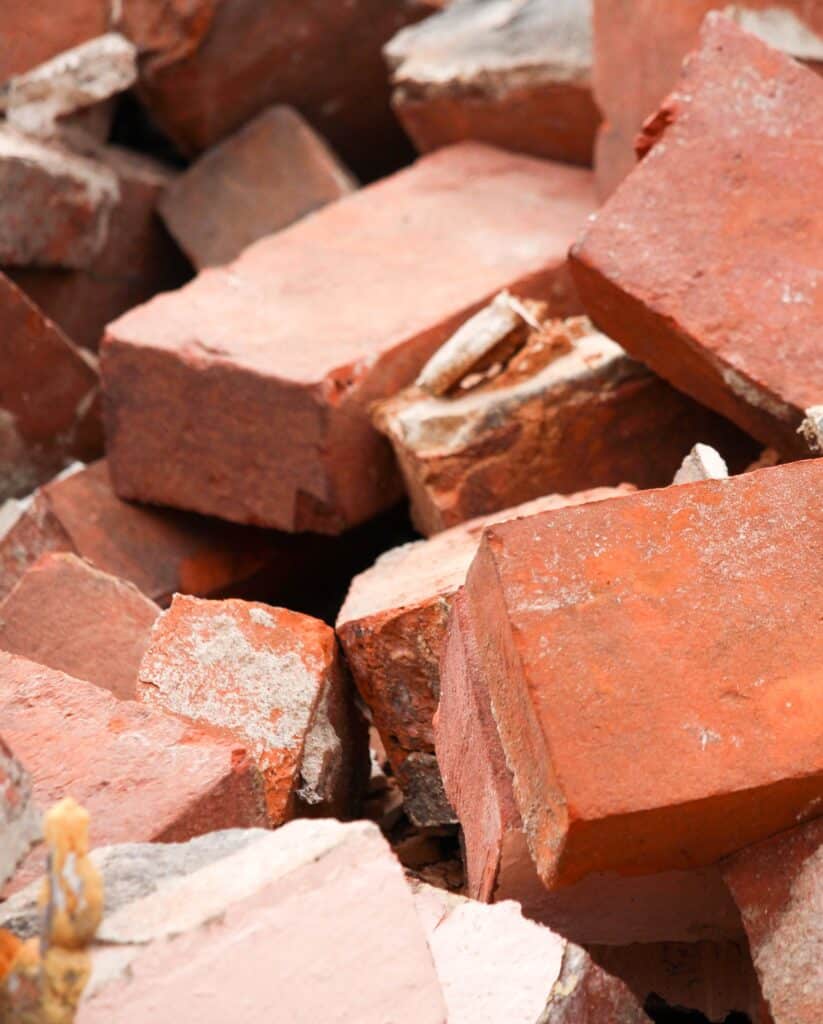
Sandstone, concrete, mortar, tile, granite, slate, brick, limestone and marble can all generate harmful respirable crystalline silica (RCS) dust when cut, drilled or ground. Silica is a natural substance found in most stone, rocks, sand, quartz and clay - sandstone contains more than 70% silica, while granite might contain 15-30%.
|
|
In other words, if your business works with stone, masonry, or concrete in almost any form, this affects you - not just fabricators handling engineered worktops.
|
|
|
|
|
|
|
|
|