|
|
|

|
|
Straight-Talking, Sensible Advice for Occupational Health & Safety Professionals
|
|
|
|
|
|
Asbestos Risks: Why Consultation Matters
|
|
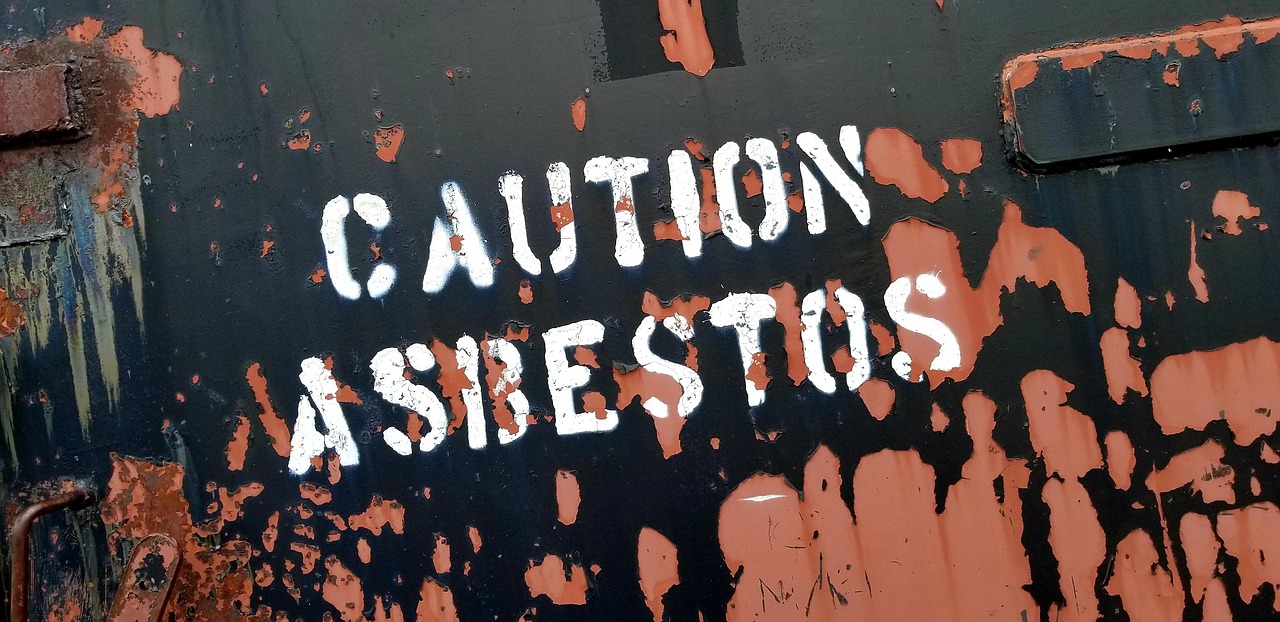
The HSE has launched a consultation on proposals to strengthen the Control of Asbestos Regulations and improve guidance around asbestos management. These proposals aim to better protect workers and building users - and the HSE is seeking the views of businesses, dutyholders, and industry professionals.
|
The consultation seeks views on three key proposals:
|
- Ensuring all roles in the 4-stage asbestos clearance process are independent to eliminate conflicts of interest and reduce post-removal exposure risks.
- Improving the quality of asbestos surveys so dutyholders have accurate information to manage risks effectively.
- Clarifying what counts as Notifiable Non-Licenced Work (NNLW) to remove ambiguity around compliance requirements.
Whether you're a facilities manager, contractor, or responsible for workplace safety, this is a chance to shape future regulations and ensure they work in practice.
|
|
|
|
|
|
Update to First Aid Guidance 2025-26
|
|
|
New guidance from the First Aid Quality Partnership (FAQP) means catastrophic bleed control will start appearing in First Aid at Work (FAW) courses from October 2025. This incudes training in improvised tourniquets and wound-packing - vital skills for responding to life-threatening bleeding where every second counts.
|
If your organisation provides FAW training, now is a good time to check your first aid needs assessment and ensure your training provider is preparing for the update.
|
|
|
|
|
|
|
|
Workplace Health in 2024/25 - New Figures
|
|
|
The latest HSE report on workplace health for 2024/25 has just been published, showing that 1.9 million workers experienced work-related ill health, with stress, depression and anxiety making up almost half of cases. Overall, 40.1 million working days were lost.
|
The report also records 124 fatal injuries and 680,000 self-reported non-fatal incidents, underscoring the importance of maintaining strong, evidence-based health and safety practices.
|
|
For employers, the data is a reminder to keep stress risk assessments up to date, support early reporting, and ensure managers are equipped to recognise emerging health concerns before they escalate.
|
|
|
|
|
|
|
|
Keep it Merry, Keep it Safe - December Workplace Checks
|
|
|
Before you get ready to dash away home for the festive break, see our seasonal safety reminders to keep the workplace accident-free.
|
|
A few quick checks now can help to ensure a peaceful, drama-free Christmas.
|
|
|
|
|
|
|
|
Need help with your Occupational Health & Safety?
Call us now on 01793 852951 or email info@safewell.co.uk
|
|
Please note we close for the Christmas festivities from 24th December to 5th January
|
|

|
From all of us at Safewell, Merry Christmas and a Happy New Year!
Stay safe, stay healthy, and we look forward to working with you in 2026
|
|
|
|
 
|
|
|