|
|
|

|
|
|
|
Straight-Talking, Sensible Advice for Occupational Health & Safety Professionals
|
|
|
|
|
|
|
Silica Dust: Is Your Business Ready
for the HSE's Crackdown?
|
|
|
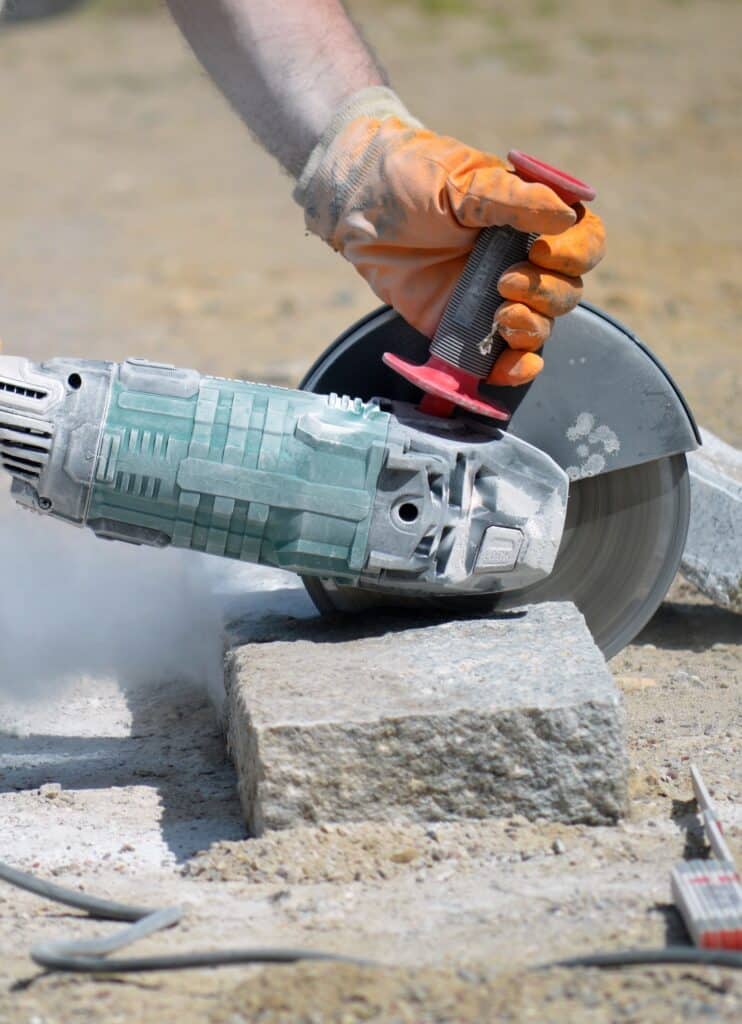
The HSE has launched its biggest intervention on silica dust in years - and if you think this only affects construction sites, think again. Following the deaths of young workers in the engineered stone sector, the regulator published new COSHH guidance in May 2026 and has set in motion a programme of over 1,000 workplace inspections across Great Britain. Fabricators, stonemasons, manufacturers and construction workers alike are all in scope.
|
|
The message from the HSE is unambiguous: dust controls must be in place, health surveillance must be happening, and dry cutting of engineered stone should stop. With inspectors already on the ground and enforcement action expected, now is not the time to be complacent.
|
|
|
|
|
|
Asbestos Control Limit Review is Published
|
|
|
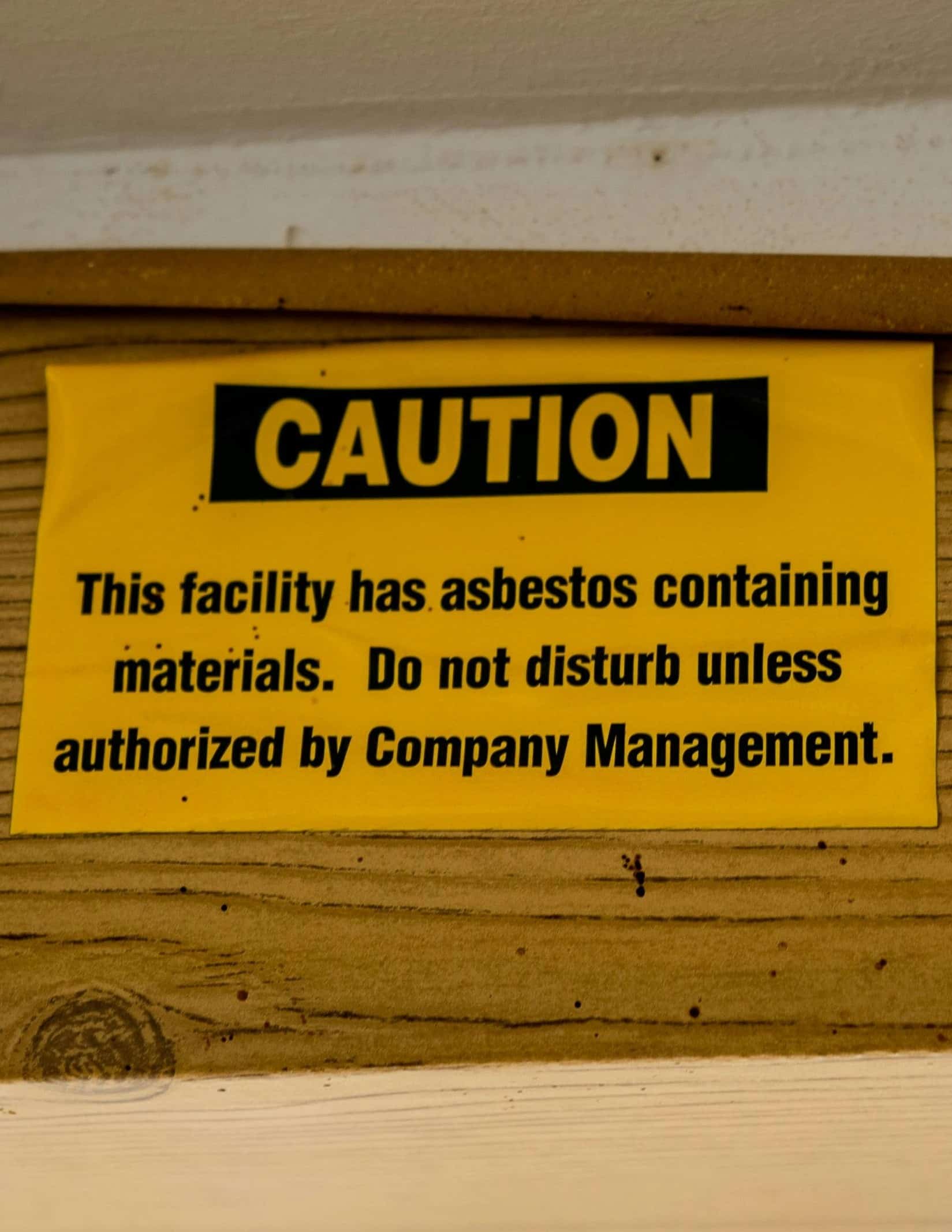
Great Britain's asbestos control limit will stay at 0.1 f/ml, the HSE has confirmed, despite the EU pushing ahead with a tenfold reduction from December 2025. So, is the UK falling behind? Not according to the HSE, whose latest review says the current approach still works - if it's applied properly.
|
The real message isn't about the number, but what happens on site: training, supervision and doing the basics well are what truly reduce exposure risk.
|
|
Read our full article to see what this means in practice 👇
|
|
|
|
|
|
|
|
RIDDOR Consultation - Last Chance to Have Your Say
|
|
|
A quick reminder that the HSE's consultation on the proposed RIDDOR overhaul closes on 30th June. The biggest proposed change is expanding reportable occupational diseases from 6 to 19, covering conditions including noise-induced hearing loss and lung diseases linked to silica and asbestos exposure.
|
|
For H&S professionals, this could meaningfully change your reporting obligations and incident management processes - so if you haven't yet reviewed the consultation document, now's the time.
|
|
|
|
|
|
|
|
|