|
|
|

|
|
|
|
Straight-Talking, Sensible Advice for Occupational Health & Safety Professionals
|
|
|
|
|
|
|
Heatwaves and Worker Health:
The New Occupational Health Challenge
|
|
|
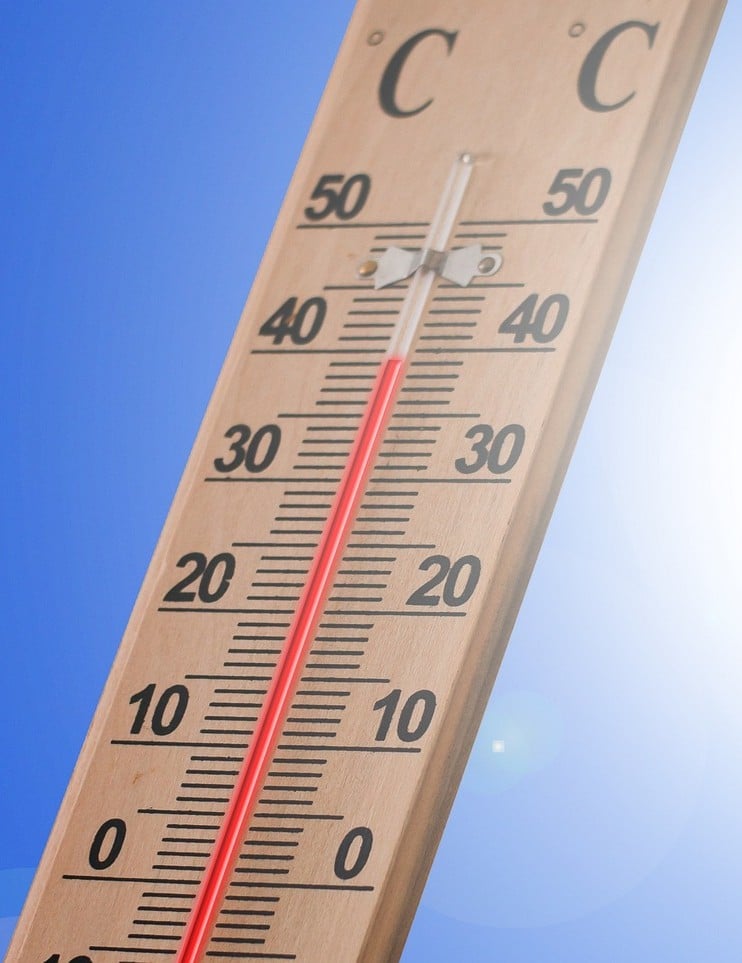
As heat-health alerts return and temperatures rise again, many employers and employees are asking the same question: how hot is too hot to work?
|
Although there is no legal maximum temperature, employers still have a duty to manage heat-related risks and ensure working conditions remain reasonable.
|
|
Our latest article explains what the law actually says, practical steps employers can take to reduce the risk of heat stress, and why current guidance could change in the future as extreme weather becomes more common
|
|
|
|
|
|
|
|
Latest HSE Figures on Workplace Fatalities
|
|
|
The HSE's latest annual fatality statistics reveal that 126 workers were killed in work-related incidents in Great Britain during 2025/26 – provisionally the lowest annual total recorded outside the pandemic years.
|
|
Despite the positive long-term trend, familiar challenges remain, with falls from height continuing to be the leading cause of workplace deaths, and construction and agriculture recording the highest number of fatalities. The figures also highlight the disproportionate impact on older workers, with those aged 60 and over accounting for nearly a third of all deaths.
|
|
|
|
|
|
|
|
Silica Dust Enforcement Steps Up
|
|
|
The HSE has issued the first Prohibition Notices under its engineered stone inspection campaign, ordering four businesses to stop work after inspectors identified inadequate controls for silica dust exposure.
|
The move follows new guidance warning that dry cutting of engineered stone is unacceptable due to the risk of silicosis, a serious and irreversible occupational lung disease.
|
|
With more than 1,000 inspections planned, employers should ensure dust controls, RPE and health surveillance arrangements are effective.
|
|
|
|
|
|
|
|
New from Safewell: Fire Extinguisher Servicing
|
|
|
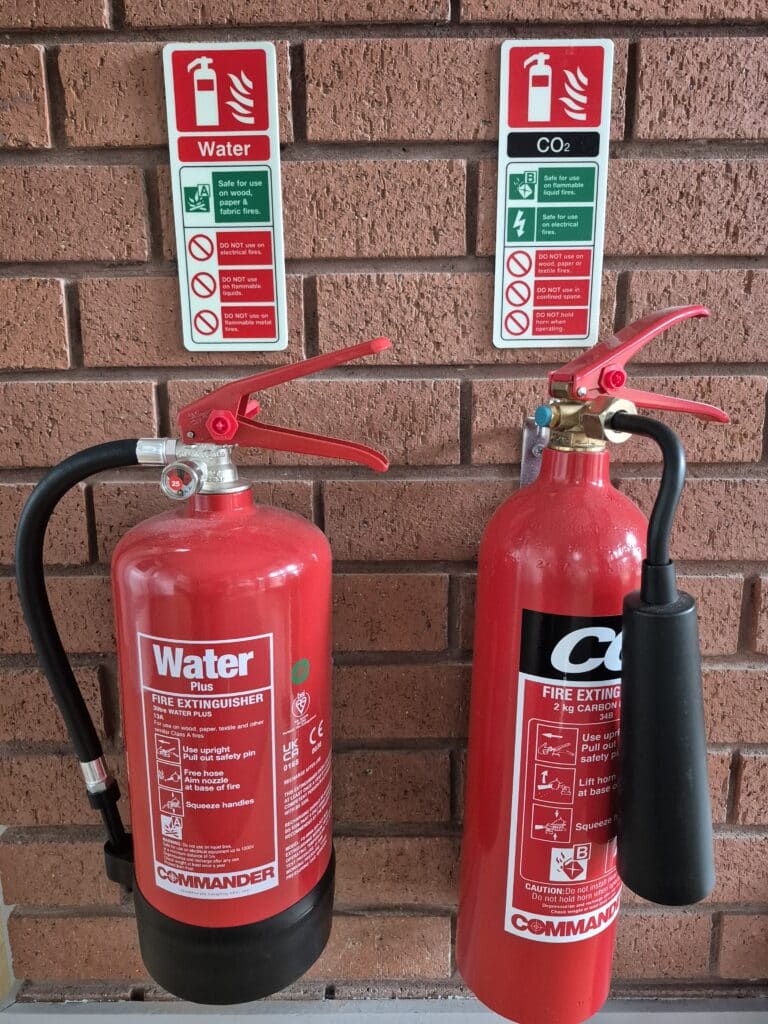
Regular maintenance of fire extinguishers is a legal requirement under UK law. More importantly, an extinguisher that fails in an emergency isn't just a compliance headache, it's a serious safety risk.
|
We've expanded our services to include professional fire extinguisher maintenance. All work is carried out by a fully trained engineer qualified to BS 5306-3, with clear documentation so your compliance records stay up to date.
|
|
And because this sits alongside our Fire Risk Assessments and Fire Marshal training, you benefit from joined-up fire safety support from one reliable partner - instead of multiple suppliers who never speak to each other.
|
|
|
|
|
|
|
|